Barefoot homemaking: small rituals that make a house feel lived-in
Published in Home and Consumer News
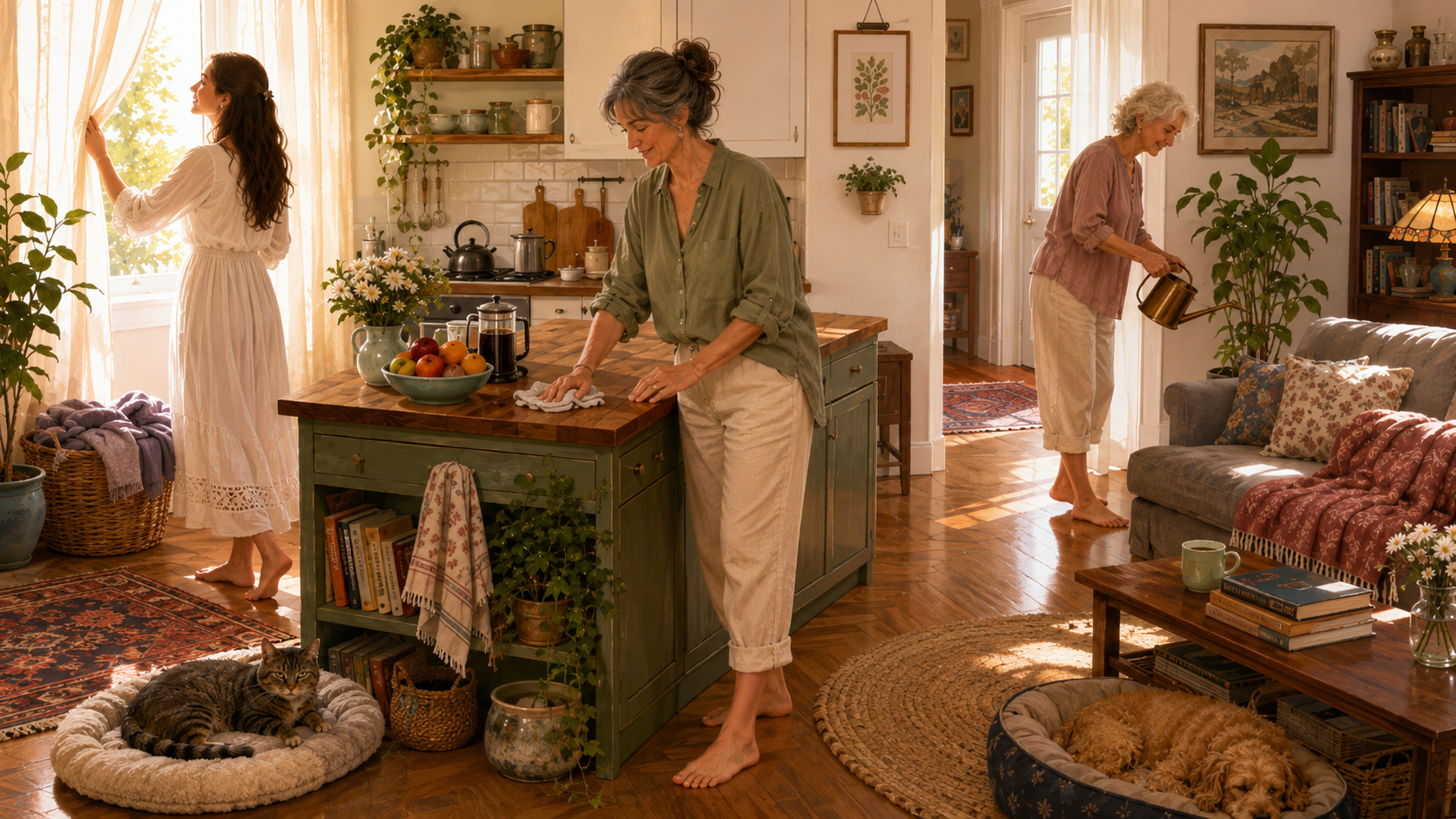
A house does not become a home all at once. It happens in small, repeated gestures: the kettle set on before anyone else wakes, the blanket folded over the arm of the couch, the porch swept after dinner, the dog bowl rinsed and refilled without much thought.
Barefoot homemaking is not about perfection or presentation. It is about comfort, habit and the ordinary grace of moving through a home as if it truly belongs to the people who live there. Shoes come off at the door. The floor is part of the household. The kitchen is used, the couch has a favorite corner, and the rooms carry signs of daily life without tipping into chaos.
The lived-in home is not staged. It breathes.
Start with the morning floor
The day often begins underfoot. Bare feet on cool kitchen tile, warm wood or a soft rug can be a small reminder that the home is its own world, separate from errands, offices and obligations.
A simple morning ritual can set the tone. Open the curtains. Let the dog out. Start coffee. Wipe the counter while the pot brews. Water the plant that always seems just shy of dramatic collapse. These are not chores so much as quiet acknowledgments: The day has begun, and the house is awake.
For families, this rhythm can become a kind of gentle choreography. One person packs lunches, another feeds pets, someone else hunts for a missing shoe, though ideally not one needed inside the house. Even a busy morning feels calmer when there is a familiar place for backpacks, keys, mail and mugs.
Let the kitchen show signs of life
A spotless kitchen may be impressive, but a useful kitchen is more inviting. A bowl of fruit on the counter, a towel over the oven handle, a cutting board drying by the sink and a favorite mug near the coffee maker all suggest that people are being fed there.
The trick is to keep the mess active, not abandoned. A little flour on the counter during biscuit making is charming. Last night’s dishes at noon are less so. Barefoot homemaking works best when the home is comfortable enough to use and orderly enough to enjoy.
Small rituals help. Rinse dishes as you cook. Keep a compost bowl or scrap bowl nearby. Sweep the kitchen after dinner, especially in a barefoot house where every crumb announces itself. Wipe the table after meals, but do not worry if it carries a few scratches, paint marks or homework dents. Those are records of use, not failures of design.
Create landing places
A lived-in house needs places where things naturally land. Without them, everything lands everywhere.
Set a basket near the door for sandals, dog leashes, sunglasses and garden gloves. Put a small tray on a table for keys and wallets. Give each child a hook, cubby or bin. Keep a blanket basket near the couch and a laundry basket where clothes actually pile up, not where a magazine says it ought to go.
These little systems make home life easier because they respect how people behave. A house that works with its residents will always feel more welcoming than one arranged for imaginary company.
Barefoot homes especially benefit from this approach. Clear walkways matter. No one wants to step on a toy car, a stray earring back or the corner of a laptop charger. A quick evening floor check can become as routine as locking the door or turning out the lights.
Use textiles to soften the day
Rugs, throws, curtains, towels and cushions do more than decorate. They absorb sound, add warmth and create places where people want to settle.
A washable runner in the hallway, a padded mat by the kitchen sink and a thick bath mat outside the tub make a home feel kinder to bare feet. A folded quilt on the couch invites someone to stay for a movie. Cloth napkins, even mismatched ones, can make a Tuesday dinner feel cared for.
These touches do not need to be expensive. In fact, the best ones often are not. A faded towel used after years of beach trips, a quilt made by a relative or a rug chosen because the dog likes it can carry more warmth than anything bought to match a catalog spread.
Make room for pets and people
A truly lived-in home usually has evidence of its inhabitants. There may be a dog bed in a sunny spot, a cat blanket on a chair, a stack of library books by the bed or a pair of reading glasses that migrate from room to room.
The goal is not to erase these signs but to give them a little dignity. Put pet toys in a basket, even if the dog immediately removes them. Keep a washable throw on the chair the cat has claimed. Place a small table near the favorite seat for books, tea, remotes and hand lotion.
Homes feel cold when they deny daily life. They feel warm when they make daily life easier.
Practice the 10-minute reset
Barefoot homemaking is not about cleaning all day. It is about noticing what needs attention before it becomes overwhelming.
A 10-minute reset can do wonders. Clear the coffee table. Fold the blanket. Put cups in the sink. Sweep the busiest floor. Shake out the door mat. Fluff the couch pillows, not for company, but for the next person who collapses there.
This kind of care is not fussy. It is practical. It keeps the house from sliding into disorder while preserving the ease that makes people feel at home.
For many households, the best time is just before bed. The lights are low, the day is ending, and the small act of setting things right becomes a promise to tomorrow.
Let scent and sound do some work
A home feels lived-in through more than what people see. It also has a sound and a scent.
That might be bread warming in the oven, lemon cleaner on the counter, coffee in the morning, basil on the windowsill or laundry drying in the next room. It might be old jazz on a speaker, a baseball game murmuring from the den, wind chimes on the porch or a dog snoring like a small engine.
The point is not to manufacture atmosphere. It is to notice the atmosphere already there and make it pleasant. Open windows when the weather allows. Simmer citrus peels and cinnamon. Keep musty laundry moving. Take out trash before it asserts itself.
A fresh-smelling home does not have to smell like a candle aisle. It should smell clean, comfortable and human.
Honor the evening rituals
Evening may be when a home most clearly becomes itself. Shoes are off. Work clothes are changed. The kitchen light glows. Someone asks what is for dinner. Someone else claims the good chair.
This is where small rituals matter most. Set the table, even simply. Light a lamp instead of relying only on overhead glare. Put phones aside for at least part of the meal. Step outside barefoot on the porch or patio if the weather is kind, just long enough to feel the day loosen its grip.
After dinner, the house settles into its softer duties. Dishes are washed. Pets are fed. Tomorrow’s coffee is set up. The laundry is moved along. A book opens. A show begins. The home gathers its people in.
Barefoot homemaking is less a style than a philosophy. It says a home should be clean enough to be healthy, orderly enough to be peaceful and relaxed enough to be real. It values the worn path between kitchen and couch, the favorite mug, the sunlit patch on the floor, the towel always within reach.
A lived-in house is not careless. It is cared for constantly, in small ways, by the people who know its rhythms. It does not need to impress anyone. It needs to welcome the people who come through the door, take off their shoes and know they are home.
========
Maribel Hartwell writes about home, family routines and the quiet pleasures of domestic life. She believes the best houses are practical, comfortable and just a little bit imperfect. This article was written, in part, utilizing AI tools.






Comments