Home safety tips for barefoot families
Published in Home and Consumer News
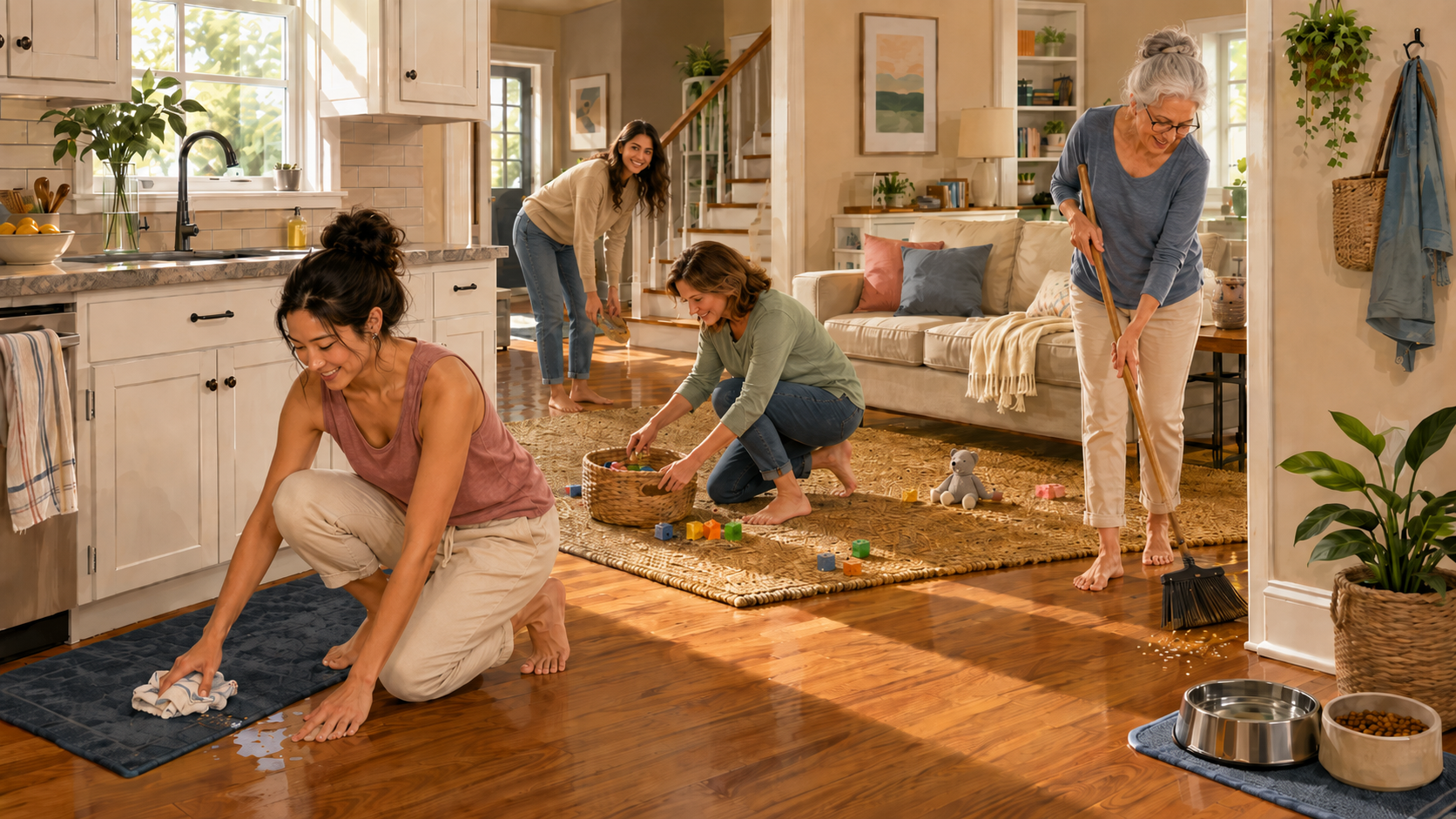
A barefoot home has its own kind of comfort. Shoes come off at the door, floors stay cleaner, and the house feels softer and more relaxed. For many families, padding through the kitchen, living room and hallway in bare feet is simply part of being home.
But bare feet also change the way a household should think about safety. A dropped screw, a slick tile, a splintered threshold or a hidden shard of glass is more than a nuisance when no one is wearing shoes. Families with children, older adults, pets or busy kitchens need to pay special attention to what ends up underfoot.
The good news is that barefoot safety does not require turning the house into a padded cell. It mostly comes down to good habits, smart floor choices and quick attention to small hazards before they become painful surprises.
Start at the door
A barefoot household begins with a clear entry routine. Shoes, boots and sandals should have a landing place near the door so outdoor dirt, grit, lawn chemicals and street debris do not travel through the house.
A bench, shoe rack, washable mat and basket for socks or slippers can make the system easier to follow. Children are more likely to cooperate when the routine is simple and visible. Guests may appreciate a small sign or a casual invitation, especially if clean socks or house slippers are available.
The entryway also should be checked often. Pebbles, leaves, ice melt and bits of gravel collect quickly near doors. In a barefoot home, those small pieces are often discovered the hard way.
Keep floors clean enough for feet
Barefoot families notice crumbs. They also notice pet kibble, toy parts, dry cereal, sand and the mysterious hard speck that appears in the hallway for no known reason.
A quick daily sweep in high-traffic areas can prevent most problems. Kitchens, mudrooms, bathrooms and pet-feeding stations deserve extra attention. A stick vacuum, small broom or robot vacuum can help maintain the habit without turning cleaning into an all-day chore.
Mopping matters, too, but floors should not be left slick. Use only the amount of cleaner recommended, rinse when needed, and allow floors to dry before children or older adults walk through. A floor that looks shiny may also be a floor that sends someone sliding.
Watch for wet spots
Water is one of the most common barefoot hazards. A few drops near the sink, tub, dishwasher, washing machine or dog bowl can turn tile, vinyl or polished wood into a skating rink.
Use absorbent mats near tubs and showers, and choose rugs with non-slip backing. Check under pet bowls, especially if dogs splash or cats like to paw at the water dish. In the kitchen, wipe spills immediately rather than waiting until cleanup after dinner.
Children should be taught that wet socks and wet feet are slippery feet. The same goes for lotion, sunscreen and bath oils, which can make smooth floors treacherous.
Choose rugs carefully
Rugs add warmth and comfort, but a loose rug can be worse than a bare floor. Lightweight throw rugs, curled corners and mats without grip are common tripping hazards.
Use non-slip pads under area rugs. Replace or repair rugs with edges that curl. Avoid tiny mats in traffic paths, where people are likely to catch a toe while carrying laundry, groceries or a sleepy child.
Barefoot families often like soft rugs near beds, couches and kitchen sinks. That is fine, as long as the rugs stay put. A comfortable home should not require everyone to shuffle around like they are crossing ice.
Inspect wood, tile and transitions
Bare feet are excellent at finding rough spots. Splinters from wood floors, chipped tiles, cracked grout and raised thresholds can cause cuts or stumbles.
Walk through the house slowly every so often and feel for trouble areas. Run a hand along thresholds, floor seams and stair edges. Repair loose boards, sand rough spots and replace broken tiles. If a fix has to wait, block off the area or cover it securely until it can be repaired.
Transitions between rooms deserve special attention. A raised strip between hardwood and tile, or between carpet and vinyl, can catch toes. Good lighting and low-profile transitions can reduce the risk.
Make stairs barefoot-safe
Stairs are a special concern in any home, and bare feet do not automatically make them safer. While some people feel more stable barefoot than in socks or slippers, stairs still require traction, lighting and clear steps.
Keep stairs free of laundry, toys, books and pet items. Install handrails and use them. Make sure stair treads are not slick, loose or worn. If the stairs are wood, consider traction strips or a securely installed runner.
Lighting is just as important. A dark stairway at night is a hazard for anyone, especially a child heading for water or an adult carrying a pet.
Control small-object clutter
Bare feet and small objects are sworn enemies. Building bricks, doll shoes, beads, thumbtacks, hair clips, earrings, game pieces and craft supplies all have a talent for hiding in plain sight.
Create a simple cleanup routine before bedtime. Children can help gather toys into bins. Adults can scan the floor for sharp or fragile items. Craft areas should be swept or vacuumed after use, especially if pins, staples, needles, wire or beads are involved.
If someone sews, repairs electronics, makes jewelry or does home improvement projects, the area should be treated like a temporary work zone. Bare feet do not belong there until the cleanup is complete.
Be careful with broken glass
When glass breaks, assume it traveled farther than it seems. Tiny shards can scatter under cabinets, rugs and appliances.
Keep everyone out of the area, including pets. Use stiff paper or cardboard to collect large pieces, then sweep thoroughly. A vacuum can help with tiny fragments, though the type of vacuum and surface matter. Wipe hard floors with a damp paper towel afterward and throw it away.
Check nearby rugs and mats. If glass falls in the kitchen, inspect under the table, near baseboards and around chair legs. One missed shard can wait days for an unsuspecting foot.
Think about pets
Pets add joy to a home, but they also add barefoot hazards. Water bowls spill. Toys get chewed into sharp pieces. Cat litter tracks across floors. Dog nails can scratch people during enthusiastic greetings.
Keep pet areas tidy. Use mats under food and water bowls. Sweep around litter boxes often. Throw away damaged toys before they shed plastic, rope or rubber fragments.
Pets also need safe footing. Older dogs, especially, can struggle on slick floors. Rugs or runners in key areas can help them move more confidently while also giving barefoot humans a little traction.
Use caution in the kitchen
The kitchen may be the most important room for barefoot safety. It is where knives fall, glasses break, grease spatters and hot pans move quickly.
Barefoot cooks should stay aware of what is on the floor and what might land there. Wipe oil or water immediately. Pick up dropped utensils. Keep children away from the stove area during busy cooking. If serious frying, canning or heavy lifting is happening, shoes or sturdy house sandals may be the smarter choice.
There is nothing wrong with a barefoot kitchen, but comfort should not override common sense. Hot soup does not care how cozy the house feels.
Have a simple foot-care plan
Even careful families get small cuts, splinters and stubbed toes. Keep basic first-aid supplies handy: bandages, antiseptic, tweezers, gauze and medical tape.
Wash minor cuts with clean water, remove visible debris and cover the area if needed. Watch for redness, swelling, warmth or worsening pain. People with diabetes, circulation problems or reduced sensation in their feet should be especially cautious and should follow medical guidance about going barefoot.
For everyone else, regular attention helps. Keep toenails trimmed. Moisturize dry, cracked heels. Check children’s feet after outdoor play or messy household projects.
Know when not to be barefoot
Barefoot living does not have to be all or nothing. There are times when shoes, clogs or sturdy slippers make sense.
Wear footwear for garage projects, yardwork, moving furniture, carrying heavy boxes, cleaning up storm debris or handling anything sharp, hot or chemical. Laundry rooms, basements and workshops may need different rules than bedrooms and living rooms.
A good barefoot home is not careless. It is thoughtful. It allows people to relax, move freely and feel at ease while still respecting the risks that come with real life.
The best safety habits are usually small ones: Sweep the floor. Wipe the spill. Put away the toy. Fix the loose board. Check for glass. Give shoes a place to live by the door.
When a family does those things consistently, bare feet can be part of what makes a house feel like home: comfortable, familiar, practical and just a little more human.
========
Lena Whitcomb writes about home life, family routines and practical household safety. She focuses on comfortable, realistic advice for busy homes with children, pets and everyday messes. This article was written, in part, utilizing AI tools.






Comments